

Good morning. Energy news today is not wearing one uniform. In the U.S., solar quietly pulled up a chair at coal’s table. In North Carolina, lawmakers are asking data centers to bring their own wallet to the power party. In Africa, good projects are fighting bad financing math. In Latvia, Apple is buying electrons with a Baltic accent. And in Australia, some outback powerlines are getting the corporate equivalent of “we’ve decided to go in a different direction.”
Translation: energy is not just oil prices and press conferences. It is bills, servers, credit ratings, battery boxes, and the long wires nobody thinks about until the lights blink.
In today’s newsletter:
Solar beat coal in U.S. monthly generation for the first time.
North Carolina wants data centers to pay for their own power appetite.
African clean energy has a financing problem, not a sunshine problem.
Apple’s latest power move runs through a Latvian solar farm.
Australia’s remote grids are swapping old wires for batteries and microgrids.
| Markets | ||||
|
||||
|
||||
|
||||
|
||||
|
||||
|
||||
|
||||
|
||||
| Data provided by Yahoo Finance chart data. Pulled 2026-06-17T10:12:51+00:00. Update at market close before final send if needed. |
THE ONE CHART WITHOUT CHART
The Sun Took Coal’s Chair
|
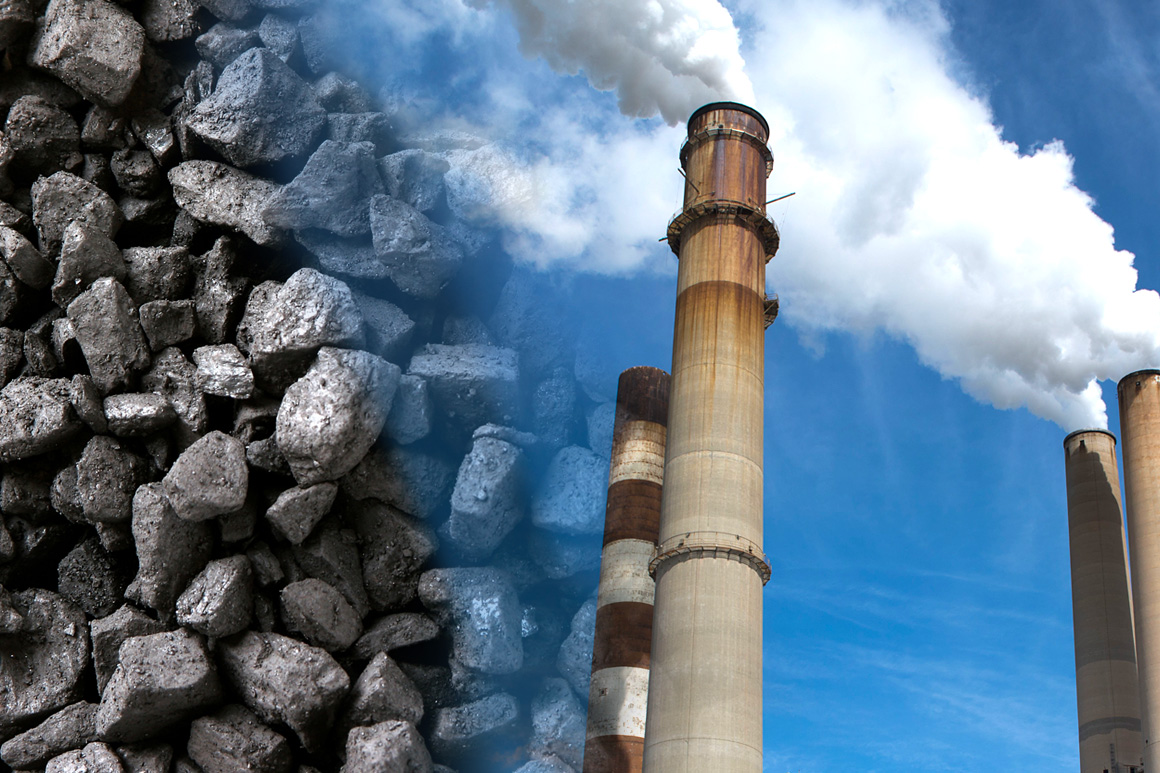
Solar just did something that would have sounded like a conference-panel fantasy not that long ago: it generated more electricity than coal in the U.S. for a full calendar month. In May, solar supplied 12.8% of U.S. electricity, while coal supplied 12.2%, according to Ember’s analysis of monthly and hourly data from the U.S. Energy Information Administration, as reported by the Los Angeles Times/Bloomberg.
Now, before coal writes an angry LinkedIn post, this is not a funeral. Natural gas still dominated the U.S. power mix at 37% in May, and coal can still matter when heat waves, winter storms, or reliability alarms start yelling. But the trend line is getting hard to ignore: solar generation rose 17% from a year earlier, while coal power fell 11%. That is not a vibe shift. That is a scoreboard.
The bigger story is speed. Utilities, factories, and AI developers need power yesterday, and solar-plus-storage is one of the few things that can be built before everyone’s next rate case. The same report noted that solar and storage made up 91% of new U.S. capacity installed in the first quarter, citing the Solar Energy Industries Association and Wood Mackenzie. The grid is becoming less “one giant machine” and more “many smaller machines arguing in real time.”
What to watch: whether this becomes a regular summer feature or a one-month trophy. If batteries keep showing up and peak-demand planning keeps getting harder, solar’s May win could become less of a headline and more of a calendar reminder.
Energy Nugget; one number to tape to the fridge
91% — the share of new U.S. electric capacity installed in Q1 that came from solar and storage, according to the SEIA/Wood Mackenzie figure cited by the Los Angeles Times/Bloomberg.
That number is why solar is not just an environmental story anymore. It is a construction-speed story, a utility-planning story, and increasingly, an AI story with better weather.
MOVE OF THE DAY
AI Wants the Outlet. Lawmakers Want the Receipt
|
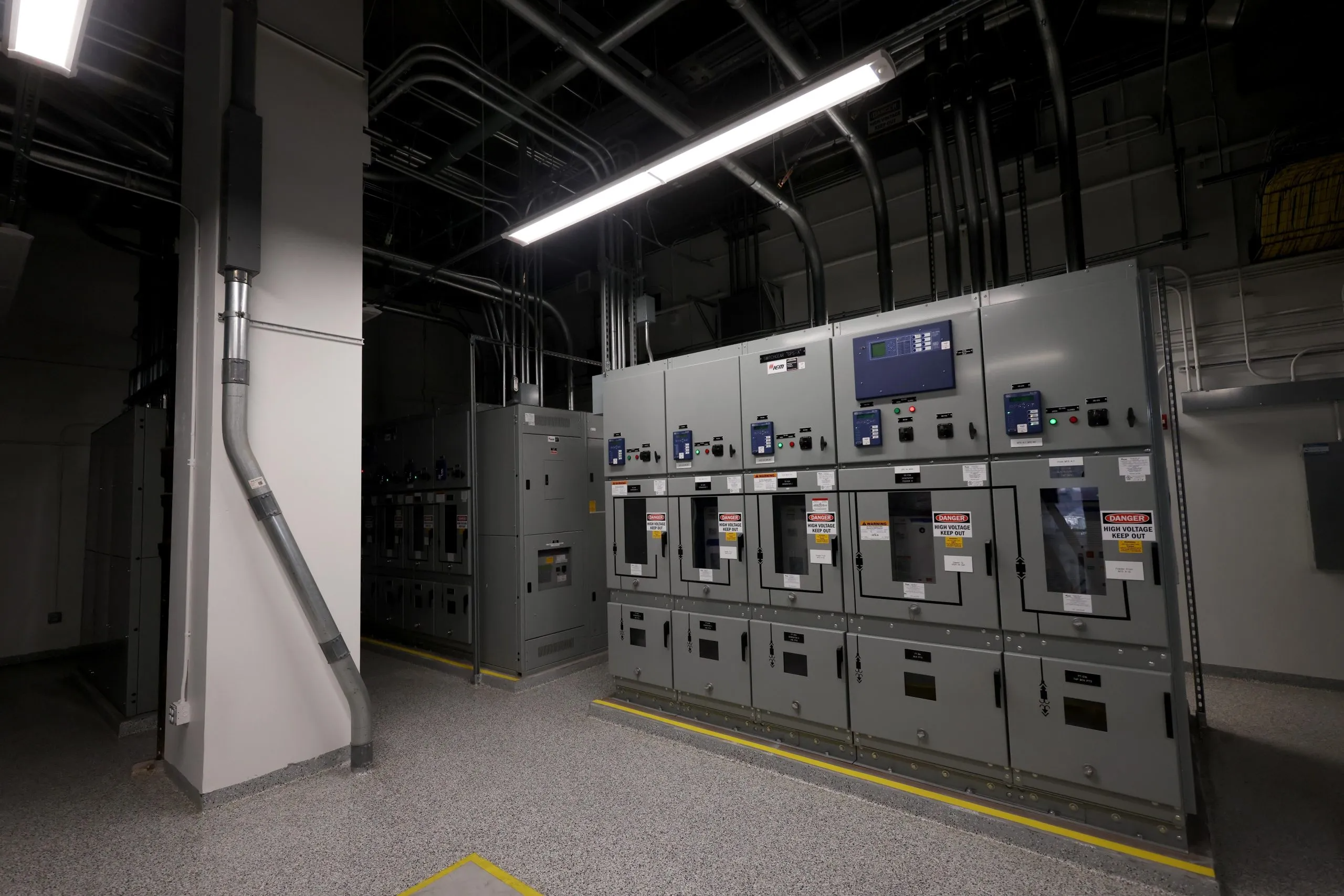
North Carolina lawmakers are working on a bipartisan Ratepayer Protection Act that would require data centers to cover the costs of the power infrastructure they need, rather than letting those costs slide quietly onto everyone else’s utility bill. This is the AI boom meeting the most American of plot twists: the invoice.
The numbers explain the political heat. Duke Energy’s 2025 Carolinas Resource Plan projected total net load growth of 16% to 60% over the next 15 years, after only about 7% growth over the previous two decades. Duke also estimated energy demand from economic-development projects in the Carolinas could climb from 1,800 GWh in 2026 to as much as 33,000 GWh by 2030. That is not “a few more plugs.” That is the grid asking for a second lunch.
The bill would push data centers into contracts that protect existing customers from extra costs needed to serve them. It also includes environmental, noise, cooling, and land-use reviews, because the new neighborhood server farm is not exactly a lemonade stand.
The catch: the same bill includes language that could slow coal-plant retirements until nuclear replacement resources are available. So yes, the AI power fight has already turned into a coal-and-nuclear fight. Energy policy never misses a chance to become a group project.
MONEY, NOT MEGAWATTS
Africa Does Not Lack Sunshine. It Lacks Cheap Money
|
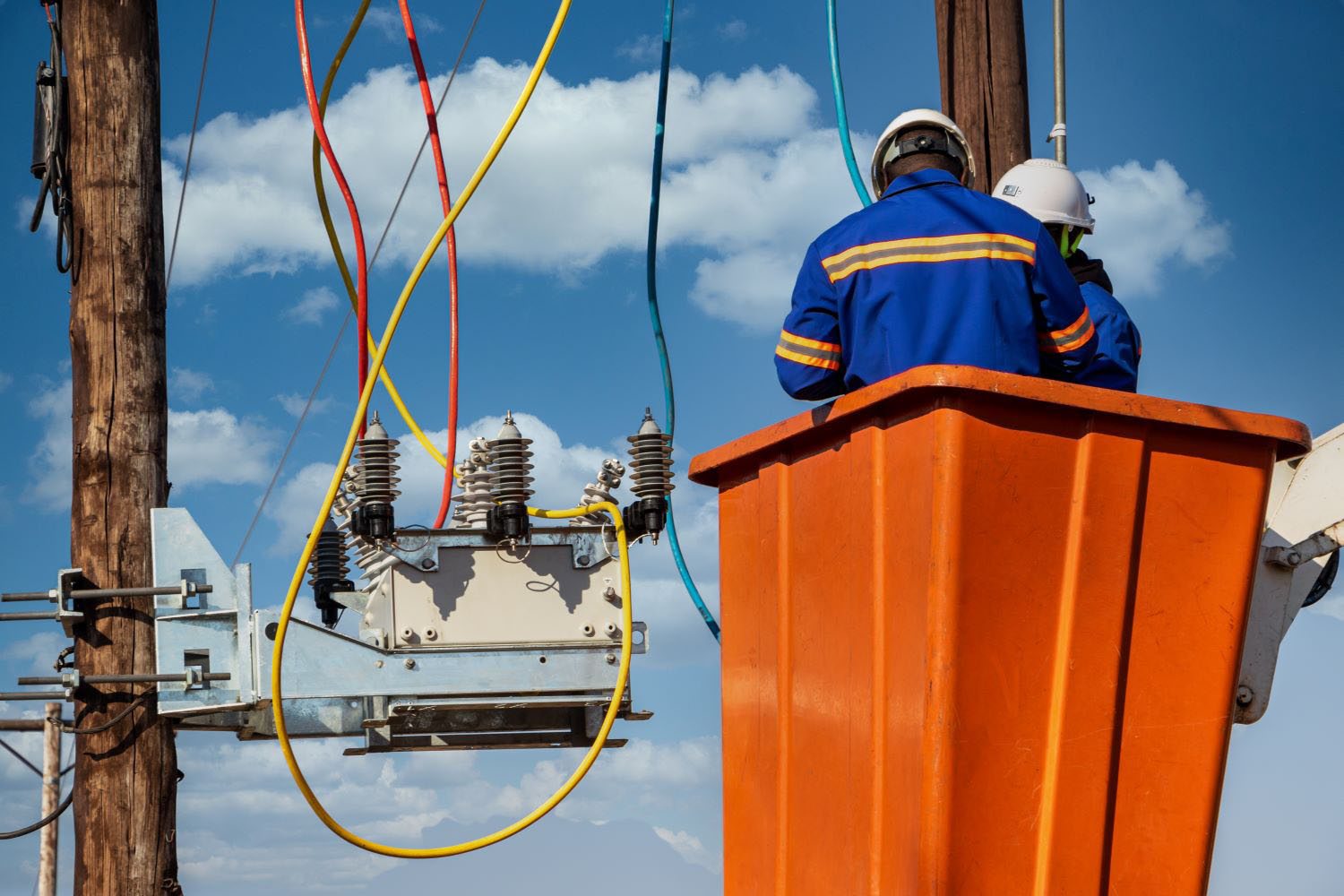
Africa has plenty of investable energy projects. What it often does not have is affordable capital. AP reported that many renewable projects across the continent are getting trapped by the “sovereign ceiling,” a credit-rating rule that links a project’s rating to the country where it operates; even when the project has solid economics, predictable cash flow, and long-term power contracts.
That matters because nearly 600 million people in Africa still lack electricity access, according to the IEA figure cited by AP. It also matters because financing costs can turn a perfectly useful solar, wind, geothermal, or transmission project into a spreadsheet casualty. AP cited analysts saying African renewable projects often face financing costs two to four times higher than similar projects in Europe or North America, while UNDP estimates subjective credit-rating assessments cost African countries up to $74.5 billion annually through higher borrowing costs and lost investment opportunities.
At the same time, there are signs that coordination can move the needle. Mission 300; the World Bank Group and African Development Bank effort to connect 300 million Africans to electricity by 2030; has connected more than 50 million people across 40 countries, according to a June 16 release from the Rockefeller Foundation. The program has nearly $15 billion committed by the World Bank Group and AfDB, about $4.5 billion in co-financing, and more than $7 billion in additional partner pledges for Africa’s energy sector.
The takeaway is refreshingly blunt: Africa’s clean-power story is not waiting for better sunlight. It is waiting for better financial plumbing.
BIG TECH, SMALL MAP PIN
Apple’s Baltic Power Snack
|
Apple’s power appetite just added a Latvian address. European Energy inaugurated the 148 MWp Tārgale Solar Park in Ventspils Municipality on June 17, calling it the company’s first completed and fully grid-connected renewable project in Latvia.
The project is expected to generate about 154,550 MWh annually; roughly the electricity consumption of 60,000 households; and it represents an EUR 80 million investment co-owned by European Energy and Danish pension fund Sampension. The corporate hook: a 110 MW power-purchase agreement with Apple, described by European Energy as among Latvia’s first corporate PPAs and the largest corporate PPA from a single power plant in the Baltic countries.
This is the less flashy side of Big Tech’s energy race. Not every move is a giant U.S. data center campus with a press conference and an executive in a branded vest. Sometimes it is a solar farm in Latvia quietly turning corporate climate targets into contracted megawatt-hours.
The cloud is global, so its power deals are becoming global too.
NEWS
|
⚡ Energy policy: The IEA’s State of Energy Policy 2026 tracks more than 6,500 policy measures across 84 countries, which is a fancy way of saying governments are now treating energy like national security, household politics, and industrial strategy all at once.
⚡ Critical minerals: The IEA says 35 new critical-minerals policies were adopted in 19 countries in 2025, with governments chasing production, refining, recycling, and fewer supply-chain headaches.
⚡ Africa access: Mission 300 says it has connected more than 50 million people to electricity across 40 countries, nearly double the pace recorded at the initiative’s launch.
⚡ Baltic solar: European Energy’s new Tārgale Solar Park in Latvia is backed by a 110 MW Apple PPA, giving Big Tech another contracted clean-power foothold far from Silicon Valley.
⚡ Australia batteries: Western Australia wants 1,000 standalone power systems by 2030, because sometimes the best grid upgrade is removing the wire that keeps breaking.
⚡ U.S. data centers: North Carolina’s data-center bill could become a template for states trying to welcome AI investment without turning residential customers into unwilling venture capitalists.
RECOMMENDATIONS

|
SHARE THE BREW

If Energy Brew made you smarter before your second coffee, send it to someone who reads power markets for fun or pretends not to.
Share the brief and help build the daily energy intelligence habit.
