

Good morning. Oil markets are doing that thing where prices fall first and everyone reads the agreement later. The U.S.-Iran peace framework has traders pricing in a reopened Strait of Hormuz, but tanker operators are still acting like the shipping lane has a giant “are we sure?” sign floating over it.
That is energy in 2026: one diplomatic headline can cool crude, but the physical world still wants paperwork, insurance, demining clarity, port access, and a nervous captain willing to go first.
— The Energy Brew Team
In today’s newsletter:
Oil cools on Hormuz optimism, but traders are not ready to declare “all clear.”
Clean Energy Fuels takes LNG resilience into Puerto Rico.
Southeast Asia gets a $245 billion energy-security warning.
India’s solar boom runs into a battery-sized bottleneck.
Heat, gas plants, LNG capacity, oil-company transition plans, and utility deal drama make the roundup.
| Markets | ||||
|
||||
|
||||
|
||||
|
||||
|
||||
|
||||
|
||||
|
||||
| Data provided by Yahoo Finance chart data. Pulled 2026-06-17T10:12:51+00:00. Update at market close before final send if needed. |
GLOBAL FUEL DESK
Oil gets the peace-deal discount. The ships want receipts

|
Brent and WTI steadied early Wednesday after two straight sessions of steep declines, as traders tried to figure out whether the U.S.-Iran peace framework means the Strait of Hormuz is actually on its way back to normal. The market is not being subtle here. If the strait reopens cleanly, a major geopolitical risk premium comes out of crude. If it does not, we are back to watching tankers, naval statements, and insurance desks like they are earnings calls.
The headline is friendly for consumers and central bankers: Reuters reported via AOL that Brent was around $79.43 and WTI around $76.53 early Wednesday, after both benchmarks fell roughly 5% for a second straight session on Tuesday. NBC News reported that the draft agreement is intended to end fighting and reopen Hormuz, the chokepoint through which roughly 20% of the world’s oil passed before the war. That is not a side street. That is the energy market’s most stressful toll booth.
But the physical market has not broken into applause yet. CNBC reported that tanker bosses welcomed the prospect of a U.S.-Iran agreement, but warned that normalization may take more than a political announcement. Mitsui O.S.K. Lines CEO Jotaro Tamura told the Financial Times, quoted by CNBC, that shipping companies need the deal translated into “the real situations in the Strait of Hormuz” before they are comfortable sending vessels through. Translation: crude can trade on hope; ships prefer evidence.
What to watch: the official signing timeline, whether shipping traffic visibly resumes, how quickly insurers and tanker operators loosen restrictions, and the EIA inventory report due today. API figures cited by Reuters showed U.S. crude stocks fell by 8.3 million barrels in the week ended June 12, far more than expectations for a 4.6 million-barrel draw. If crude inventories are tight and Hormuz reopening gets messy, oil’s “peace dividend” could get a very short lease.
GRID MONEY
Puerto Rico’s new energy accessory: modular LNG backup
|
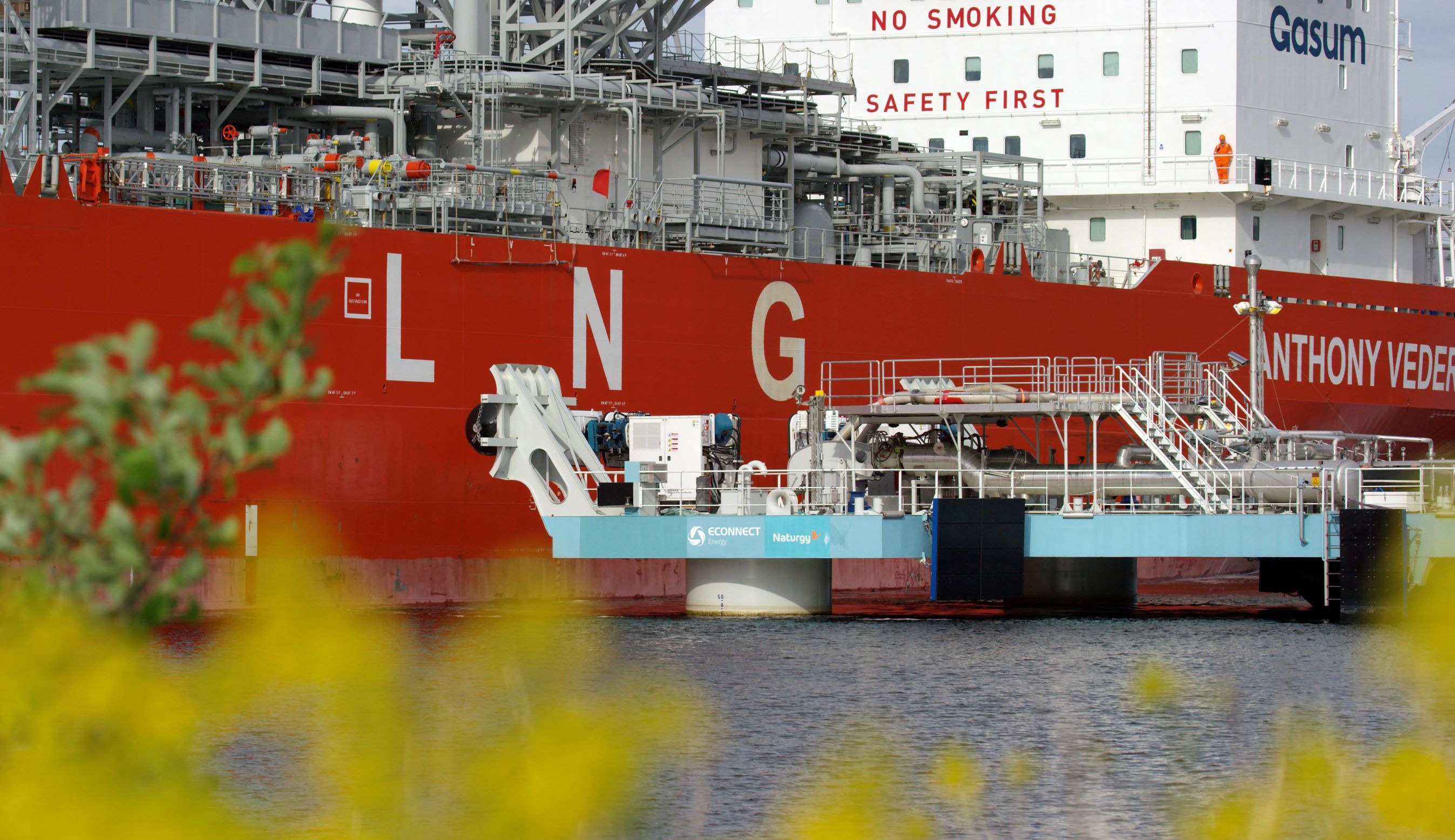
Clean Energy Fuels is moving into Puerto Rico with two LNG fueling-system contracts for gas-to-power applications, including one project for a healthcare/pharmaceutical manufacturing operation and another for a 6 MW combined heat and power plant serving residential and hotel operations. The company said the two deals represent its first LNG supply-infrastructure projects in Puerto Rico and together support 10 MW of installed power.
This is not the flashiest energy story on the board, but it is very real. For grid-constrained markets, energy security often looks less like a grand national strategy and more like a factory saying, “We cannot have production depend on whether the grid is in a good mood today.” LNG is not a silver bullet, but for island grids, hospitals, ports, data centers, resorts, and manufacturers, dependable backup power is not a nice-to-have. It is the difference between operations and expensive silence.
BATTERY BOTTLENECK
India has plenty of solar. Now it needs somewhere to put it
|
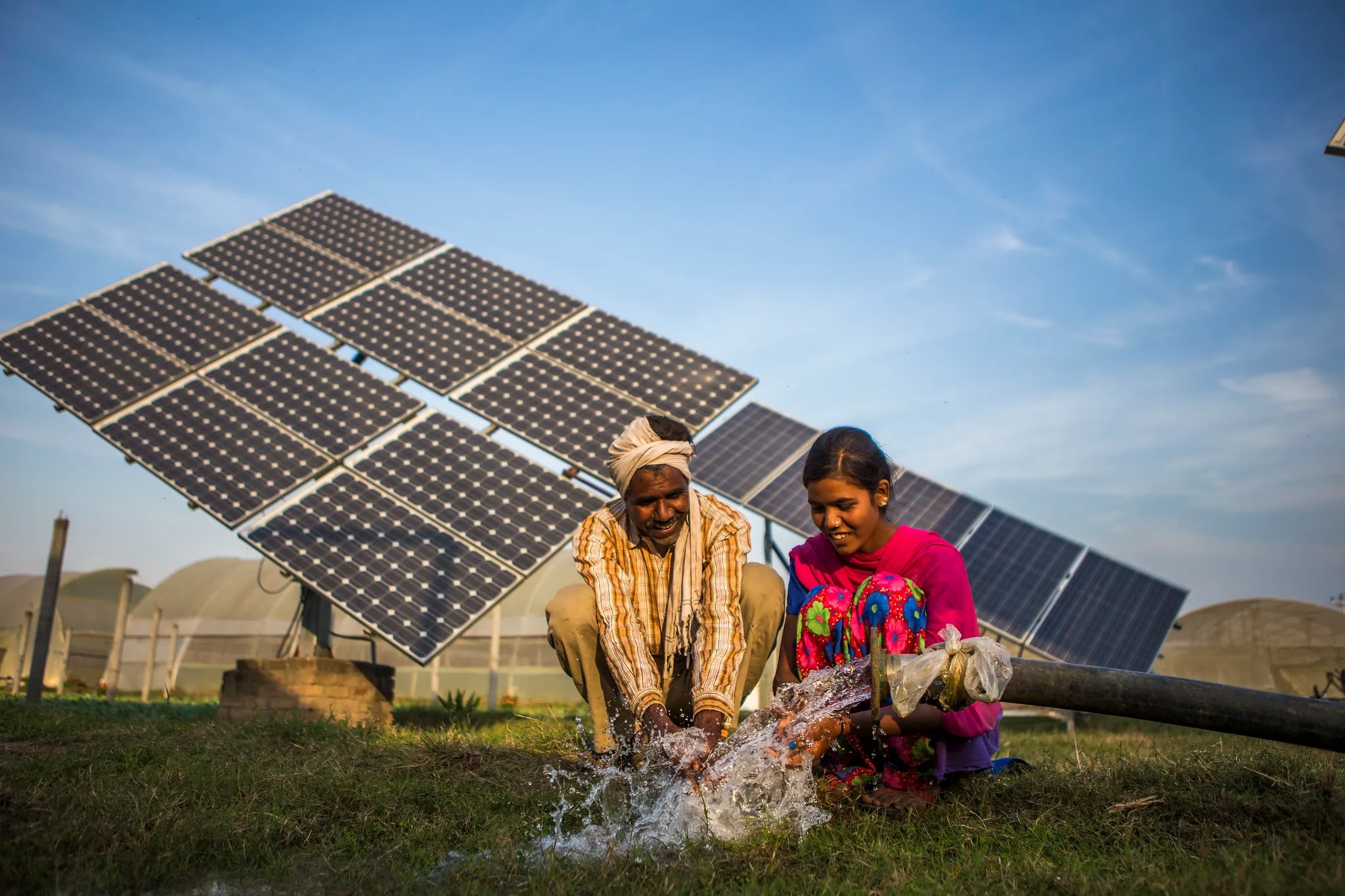
India’s renewable buildout is starting to run into the next hard problem: flexibility. Ember reported that India’s maximum midday solar generation potential reached 41% of total generation in March 2026, up 6 percentage points in a year. That is a huge number. It also creates a very practical grid problem: if coal plants cannot ramp down far enough and demand is not flexible enough, clean power gets wasted.
Ember estimates that India curtailed 2.1 TWh of renewable generation in FY2025–26 because coal plants were kept at technical minimums, equal to about ₹629 crore of lost electricity value. The kicker: Ember says roughly 10 GWh of storage could have eliminated that curtailment. That is the energy-transition version of having food in the kitchen but no fridge. The supply exists; the system just needs a better way to save it.
The takeaway is bigger than India. Solar gets cheaper, but grids do not magically become flexible. Batteries, pumped hydro, demand response, smarter dispatch, transmission, and market rules are what turn cheap daytime electrons into useful 24-hour power. The future does not just belong to whoever installs the most panels. It belongs to whoever can make the noon solar feast last through dinner.
ASIA POWER CHECK
Southeast Asia just got a very expensive reminder about fuel imports
|
The Iran-Hormuz shock has also landed hard in Southeast Asia, where countries rely heavily on imported oil and gas moving through vulnerable sea lanes. The Associated Press, carried by The Asahi Shimbun, reported that an International Energy Agency report warned Southeast Asia’s energy import bill could rise to $245 billion by 2035, up from $80 billion in 2024, if the region does not diversify faster.
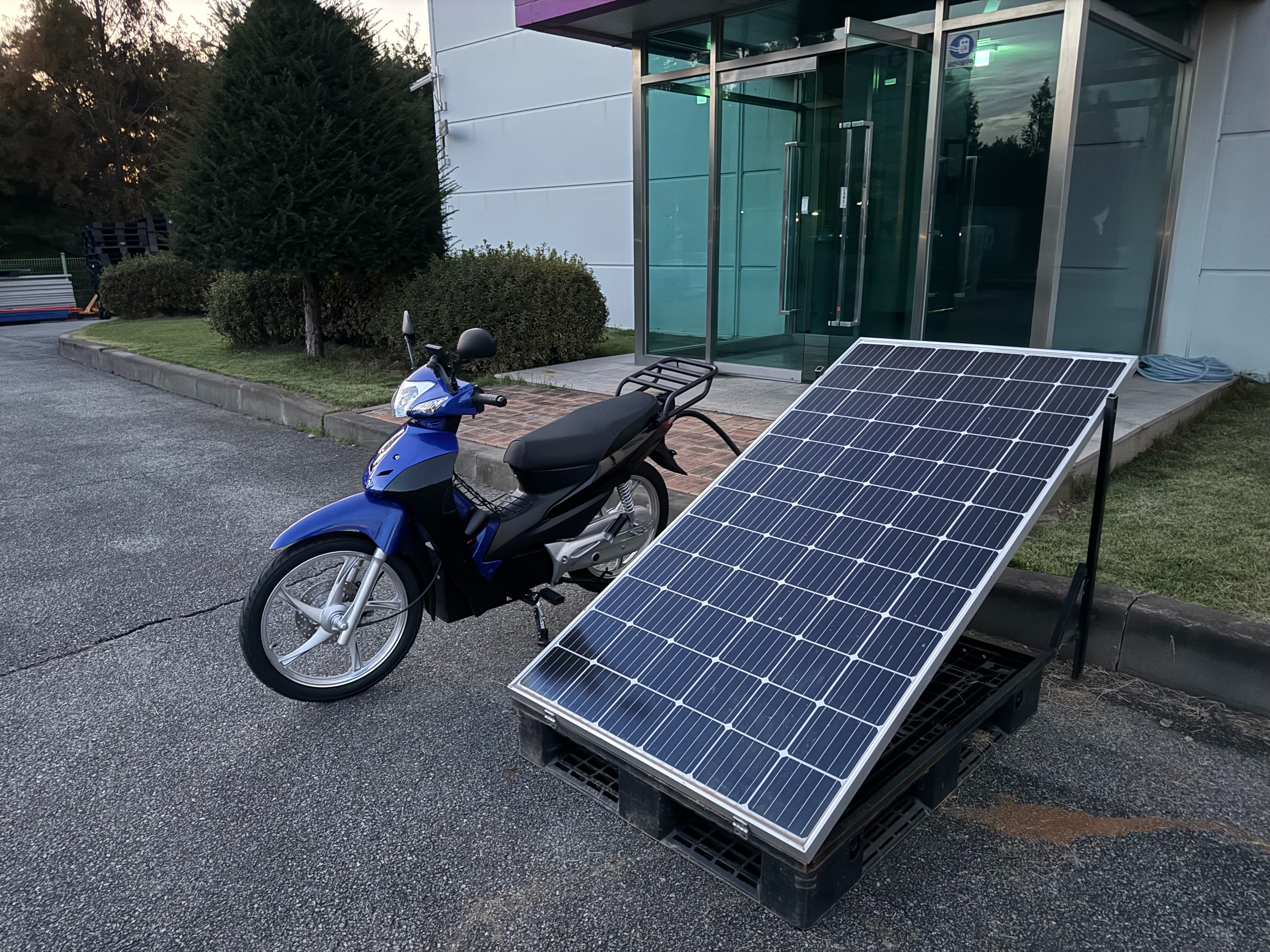
The response is already getting interesting. The same report noted that Philippine consumers have been turning to rooftop solar at record rates, that the Philippines became the second-largest destination for Chinese solar exports in the first quarter of 2026, and that electric vehicle sales across Southeast Asia more than doubled in 2025 to roughly 500,000 units. In other words, Hormuz may be thousands of miles away, but it is helping make the case for panels on rooftops, batteries in garages, electrons in scooters, and regional grid planning that is less dependent on imported molecules.
The bigger lesson is that energy security is no longer just barrels, ships, and emergency reserves. It is also distributed solar, grid interconnection, flexible demand, EV charging, domestic renewables, and maybe nuclear for countries that can make the economics and politics work. If Southeast Asia wants less exposure to the next chokepoint crisis, it has to build optionality before the next crisis starts.
NEWS

|
⚡ IEA policy tracker says energy has become a national-security file again, with its 2026 policy report tracking more than 6,500 measures across 84 countries and estimating $405 billion of annual energy-related government financial support in 2025.
⚡ North American power construction is leaning hard on gas: Industrial Info Resources says it is tracking 53 utility-scale generation projects worth more than $19.23 billion with June 2026 target starts, with natural gas representing 56% of planned generation capacity.
⚡ Duke Energy and DOE are in heat-emergency mode after the Department of Energy issued an order allowing Duke units in the Carolinas to run up to maximum output despite certain permit limits to avoid blackouts during extreme heat, according to CBS17.
⚡ Global LNG capacity is heading into a monster buildout, with the IEA tracking nearly 300 bcm per year of new export capacity expected online between 2025 and 2030 from post-FID or under-construction projects.
⚡ Big Oil’s transition math is still awkward. The TPI Centre at LSE found that major oil and gas companies in its sample are collectively planning a 14% increase in upstream output by 2030 among companies disclosing guidance, while 0% have diversification plans at the scale required for net zero by 2050.
⚡ Blackstone’s TXNM deal hit New Mexico turbulence after Public Regulation Commission staff reportedly found a related $400 million equity transaction unlawful and recommended withdrawal of the pending application tied to Blackstone’s proposed $11.5 billion acquisition of TXNM Energy.
RECOMMENDATIONS

|
SHARE THE BREW

If Energy Brew made you smarter before your second coffee, send it to someone who reads power markets for fun or pretends not to.
Share the brief and help build the daily energy intelligence habit.
